Resources

The global apparel industry is at the forefront of environmental challenges, being one of the largest contributors to waste, carbon emissions, and water usage. The high-fashion segment, in particular, must address these concerns while maintaining luxury and quality.

A leader in the apparel industry, Core CarbonX client has embraced this challenge through its “Planet-Friendly Fashion” initiative. This vision focuses on integrating sustainable practices into their design houses and high-fashion garment production, including using eco-friendly materials like recycled polyester, closed-loop recycling, and circular fashion principles.

To support this vision Core CarbonX (CCX) is assisting this India’s leading textile house in operationalizing these goals, embedding sustainability into the fabric of their high-fashion apparel business.

Sustainability Tailored for High-Fashion Apparel

Core CarbonX is implementing a structured and scalable approach to transform client’s high-fashion apparel operations through the following key activities:

  1. Current Assessment and Gap Analysis :
    Evaluate apparel design and production processes to pinpoint sustainability gaps and identify opportunities to incorporate eco-friendly solutions.
  2. Organogram Structuring and Capacity Building :
    Develop a tailored quality organogram and conduct capacity-building initiatives, enabling teams to adopt sustainable practices across their high-fashion operations.
  3. Quality Management Framework Development :
    Designing bespoke policies, procedures, and standards to align with the textile house’ core values and ambitious quality performance targets.

Elevating Product Excellence with Sustainability

Core CarbonX’s structured approach empowers high-fashion apparel brand to achieve:

  • Enhanced Product Quality: Streamlined operations with measurable performance targets.
  • Sustainability Integration: Embedding circular economy and resource efficiency into operational practices.
  • Empowered Workforce: Equipping teams with skills and tools for effective implementation of sustainable and quality practices.
  • Customer Satisfaction: Elevating brand reputation by aligning with global climate and quality benchmarks.

As the apparel and fashion industry embraces sustainability, Core CarbonX stands as the ideal partner to guide your journey toward operational excellence and environmental responsibility.

With expertise in circular economy principles, sustainable material integration, and quality management systems, CCX is uniquely equipped to help fashion houses and apparel brands reimagine their operations for a greener future.

Transform your approach to sustainable fashion today. Contact Core CarbonX today to redefine your brand’s quality and sustainability goals.
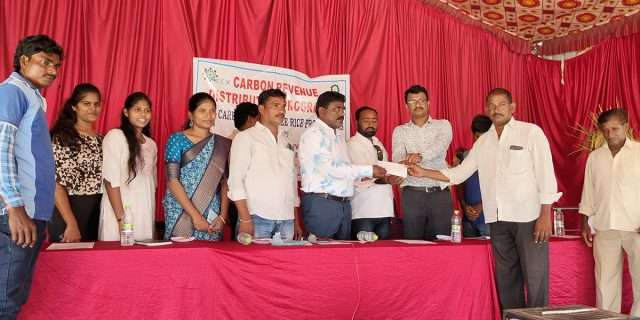
 

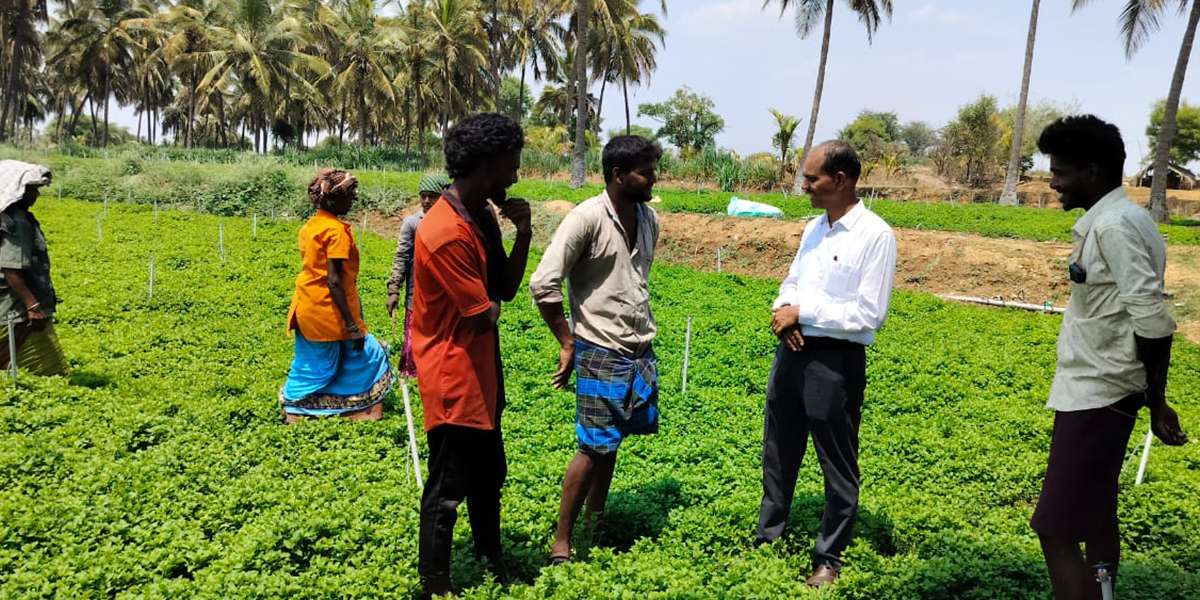
Traditional rice farming methods significantly contribute to methane emissions, a greenhouse gas 27 times more potent than carbon dioxide. Methane emissions from paddy fields account for nearly 20% of India’s total methane output, highlighting the urgent need for climate-smart agricultural solutions.

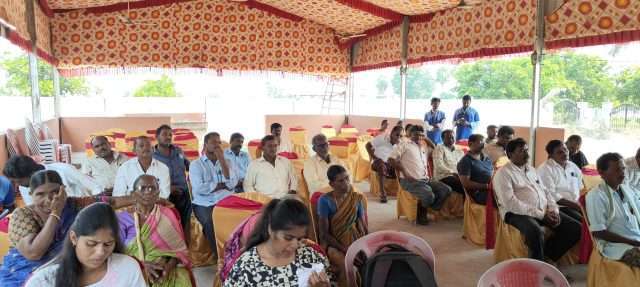
Core CarbonX’s initiative in Nalgonda, Telangana, addresses this critical issue by introducing sustainable practices in rice cultivation, focusing on reducing methane emissions while creating economic opportunities for farmers through carbon credits.

A Transformational Model Combining Carbon Revenue with Climate Action

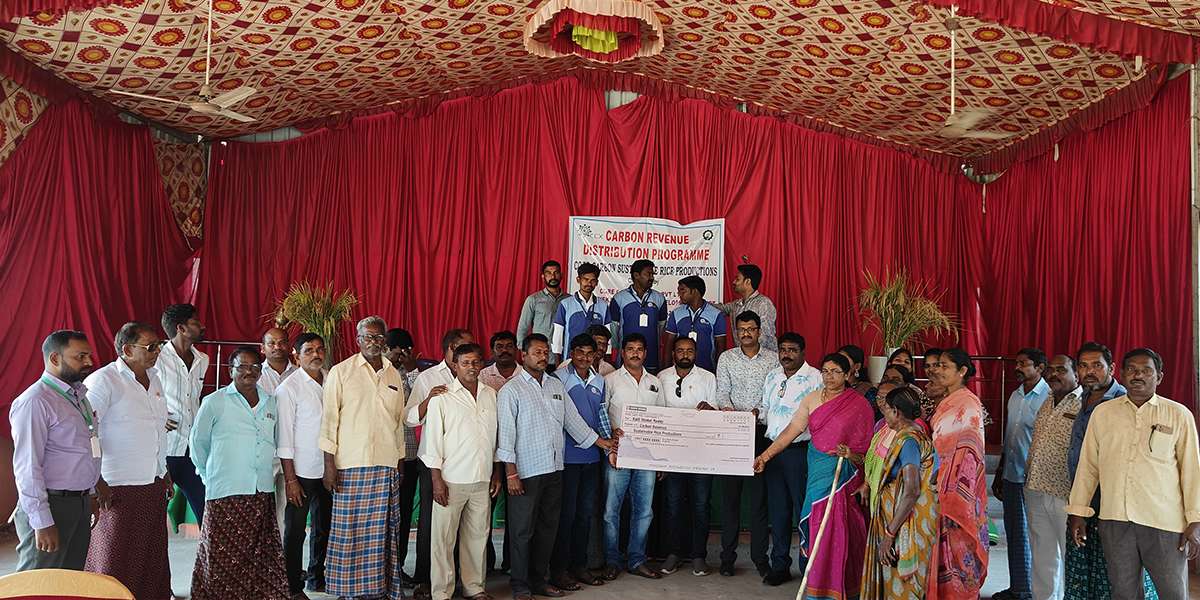
Core CarbonX has reached a significant milestone by distributing the first tranche of carbon credits to rice farmers in Nalgonda. The project incorporates innovative farming methods such as Direct Seeded Rice (DSR) and Alternate Wetting and Drying (AWD) techniques. These practices have proven to reduce water and energy consumption by 20-30% and lower methane emissions substantially.

This initiative directly links sustainable farming practices to the carbon market, enabling farmers to earn additional revenue by monetizing their greenhouse gas reductions. By integrating carbon revenue into farming practices, Core CarbonX is creating a sustainable model that benefits both the environment and farming communities. With a robust track record since 2008, Core CarbonX is expanding this successful model across major rice-growing states, including Telangana, Andhra Pradesh, Odisha, West Bengal, Karnataka, and Tamil Nadu.

Key Outcomes:

  • Farmers in Nalgonda receive financial incentives through carbon credits, enhancing economic resilience.
  • Reduction in methane emissions from paddy cultivation, directly addressing climate change.
  • Scaled adoption of sustainable practices across six states, benefiting over 100,000 farmers.
Empowering Farmers with Carbon Revenue

The Nalgonda project exemplifies Core CarbonX’s commitment to integrating environmental sustainability with farmer prosperity. By introducing sustainable practices and unlocking the potential of carbon credits, the initiative:

  • Creates a scalable model for reducing methane emissions in agriculture.
  • Provides farmers with advance carbon revenue, ensuring financial security.
  • Aligns agricultural practices with global climate goals.
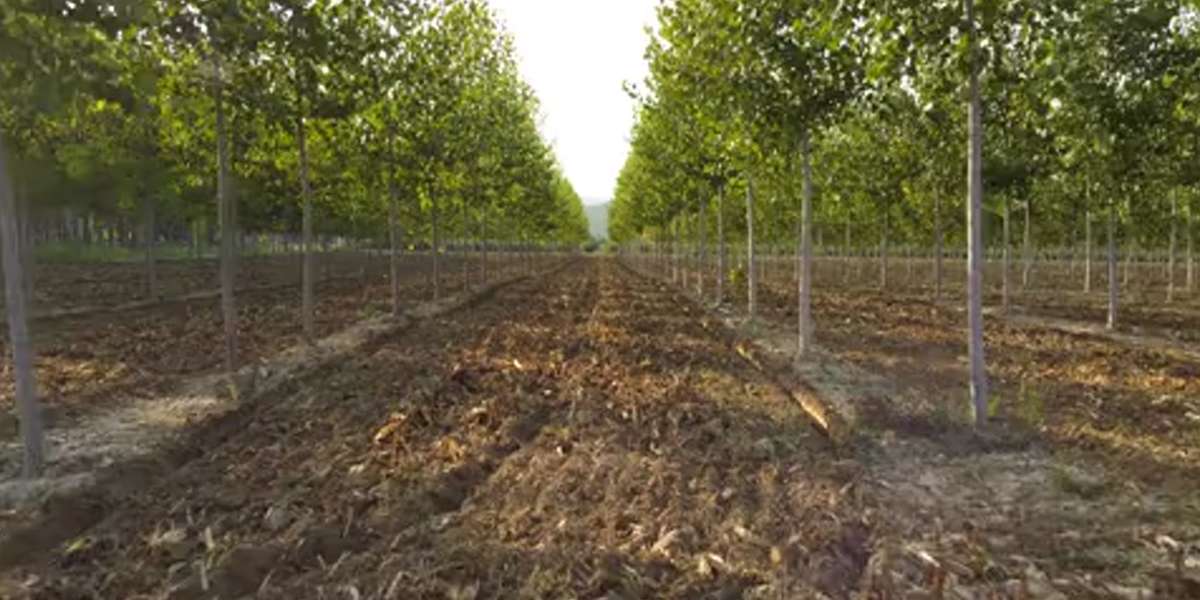
This milestone marks the beginning of a journey to transform rice cultivation across India, making it more climate-resilient while ensuring farmers prosper through additional income from carbon credits.

Join our efforts to scale sustainable agricultural practices and support farmers in their journey toward environmental and economic resilience. Partner with Core CarbonX to make a difference today!

A Pioneering Initiative by the UK’s FCDO and the Government of Telangana

In line with the 2030 Roadmap for India-UK future relations, this project is a testament to the commitment of both nations to co-lead global climate action. Core CarbonX, in association with Ag-Hub, is proud to be at the forefront of this initiative, driving sustainable development and a greener future for Telangana.

Our Mission

The Carbon Market Action Plan for Telangana State is designed to:

  • Enable Effective Participation: Empower stakeholders in Telangana to actively and successfully participate in the Carbon Market Trading Scheme.
  • Reduce Emissions: Contribute significantly to India’s ambitious net-zero target by 2070.
  • Drive Sustainable Development: Promote low-carbon development and climate-resilient pathways in the state.

Our Approach

We are taking a comprehensive approach to achieve these goals:

  1. Review of Carbon Credit Trading Scheme and Markets: Thoroughly analyze the existing framework and international best practices.
  2. Stakeholder Assessment and Action Plan: Engage with key stakeholders to identify opportunities, challenges, and tailor solutions.
  3. Communication and Awareness: Raise awareness and build capacity among stakeholders to ensure widespread participation and understanding.

Our Deliverables

The project will deliver:

  1. Market Review Report: A comprehensive analysis of the carbon market landscape and its implications for Telangana.
  2. State Action Plan for Carbon Credit Trading Scheme: A strategic roadmap for Telangana’s successful engagement in the carbon market.
  3. Communication and Awareness Materials: Resources to educate and empower stakeholders on carbon market participation.

Join Us in Shaping a Greener Future

The Carbon Market Action Plan for Telangana State is not just a project; it’s a vision for a sustainable and prosperous future. 

We have been working with national and state governments on many mission critical projects on climate action and sustainability. Join us on this journey towards a greener and a healthier planet.

Core CarbonX is proud to announce our latest project: “Review impact of climate change on the financial sector of Nepal focusing on Medium and Small-Scale Enterprises (MSMEs)”. This critical initiative aims to analyze the vulnerabilities of MSMEs to climate change, evaluate economic consequences, and develop policy recommendations for enhanced access to climate-resilient financial instruments.

Nepal’s economy, heavily reliant on climate-sensitive sectors like agriculture and tourism, faces significant challenges from climate change. MSMEs, which form the backbone of the economy, are particularly vulnerable. This project seeks to bridge the gap between climate risks and financial resilience for these vital enterprises.

Our Approach

Our comprehensive approach includes:

  1. In-depth vulnerability analysis of MSMEs in the financial sector
  2. Economic impact assessment of climate change on MSMEs
  3. Identification of climate-related risks affecting MSMEs’ financial stability
  4. Examination of climate change effects on MSMEs’ access to financial services
  5. Investigation of suitable financial instruments for climate risk management

We will engage with stakeholders at national and provincial levels, conduct workshops in Kathmandu and climate-vulnerable provinces, and develop case studies to inform our recommendations.

Project Benefits

This project will deliver significant impacts:

  • Enhanced understanding of climate vulnerabilities in Nepal’s MSME sector
  • Improved policy framework for climate-resilient financial services
  • Increased awareness and capacity of MSMEs to address climate challenges
  • Tailored financial instruments to support MSME adaptation and sustainability
  • Strengthened collaboration between national, provincial, and local governments in supporting MSMEs

Our recommendations will cover key areas including energy efficiency, sustainable supply chains, waste management, and climate-resilient infrastructure, providing a roadmap for a more resilient MSME sector in Nepal.

Join Us in Building a Climate-Resilient Future

Are you an MSME owner, financial sector professional, or policymaker interested in climate resilience? We want to hear from you! Your insights and experiences are crucial to developing effective strategies for Nepal’s sustainable economic future.

Contact us today to learn more about how you can contribute to this important project or to discuss how our findings can benefit your organization.

Together, we can build a more resilient and sustainable financial sector for Nepal’s MSMEs.

The Challenge

As urban areas in developing countries continue to grow, so does the need for effective Water, Sanitation, and Hygiene (WASH) services. However, these essential services can contribute significantly to greenhouse gas (GHG) emissions, particularly in the areas of wastewater treatment, solid waste management, and water supply. Small towns in countries like India and Bangladesh often lack the resources and expertise to measure and manage these emissions, hindering their ability to implement sustainable WASH practices and contribute to global climate action goals.
Our Innovative Approach

CoreCarbonX (CCX) has partnered with the Bremen Overseas Research & Development Association (BORDA) to tackle this critical issue. Our project aims to develop a comprehensive GHG emission inventory for the WASH sector in four small towns across India and Bangladesh. This groundbreaking initiative will:

  1. Create a baseline dataset for small town waste sector emissions
  2. Develop a simplified framework for conducting WASH GHG emission inventories
  3. Build local capacity for ongoing emissions monitoring and reduction
Key Project Components:
  • Extensive literature review and analysis of existing frameworks
  • Development of a tailored GHG inventory methodology for small town WASH sectors
  • Baseline assessments in four partner towns
  • Capacity building workshops for local organizations and partner staff
Benefits and Impact

This project will deliver numerous benefits to participating communities and the broader field of urban sustainability:

  1. Data-Driven Decision Making: By establishing baseline emissions data, local authorities can make informed choices about WASH infrastructure and management practices.
  2. Simplified Monitoring Tools: Our user-friendly framework will enable small towns to track their WASH-related emissions efficiently, even with limited resources.
  3. Capacity Building: Local staff will gain valuable skills in GHG inventory development and management, fostering long-term sustainability.
  4. Climate Action Acceleration: This project directly contributes to climate change mitigation efforts by identifying emission hotspots and reduction opportunities in the WASH sector.
  5. Scalable Model: The methodology developed can be adapted for use in other small towns across South Asia and beyond, amplifying the project’s impact.
  6. Support for Sustainable Development Goals: This initiative aligns with and supports multiple SDGs, including Clean Water and Sanitation (SDG 6), Sustainable Cities and Communities (SDG 11), and Climate Action (SDG 13).

By focusing on the often-overlooked WASH sector in small towns, CCX is helping to bridge a critical gap in climate action efforts. This project not only addresses immediate environmental concerns but also lays the groundwork for more resilient, sustainable urban development in rapidly growing regions.

Take Action for Sustainable WASH Solutions

Are you a municipal leader, urban planner, or organizations focussed on sustainable urban planning and interested in reducing the carbon footprint of your town’s WASH sector? CCX is here to help you make a difference.

Request a Consultation: Learn how our GHG inventory framework can benefit your community. Contact our team of experts today for a personalized assessment.

Don’t wait to make a positive impact. Contact CCX now to start your journey towards more sustainable, low-carbon WASH services in your community.

Together, we can create cleaner, greener, and more resilient urban environments for generations to come.

Introduction

India’s agricultural landscape is facing unprecedented challenges from climate change, environmental degradation, and economic pressures. Farmers, the backbone of the nation’s food security, find themselves grappling with decreasing productivity, soil depletion, and water scarcity.

Recognizing this urgency, Waycool, a prominent agri-tech company, launched the Cluster Development Program (CDP) to reshape agriculture through a comprehensive, climate-positive approach.

Core CarbonX team is delighted to implement this three-year program on Waycool’s behalf, leveraging its expertise in sustainable agriculture and carbon credit projects.

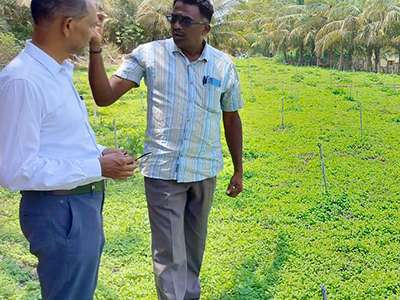
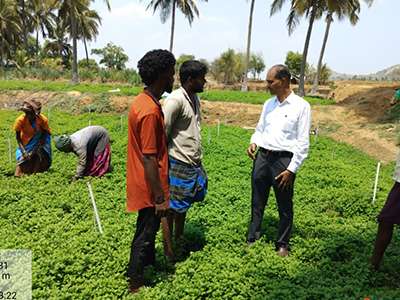
This regenerative agriculture spans six clusters across Tamil Nadu, Karnataka, and Andhra Pradesh, involving farmers, local institutions, and Farmer Producer Organizations (FPOs). By promoting regenerative agriculture, agroforestry, and efficient irrigation techniques, it aims to create a measurable impact on soil and water resources while improving farmers’ net income, yield, and cost of cultivation.

The program is structured around three key pillars:

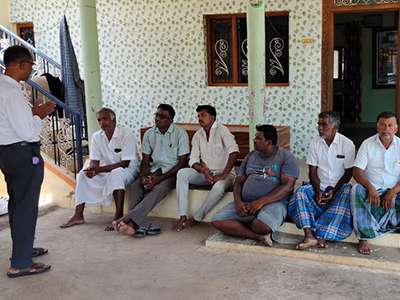
Year 1. Mobilization and Capacity Building: The program involves mobilizing 5,400 farmers, including 20% women, across three states and six districts in Year 1. This includes cluster profiling, farmer onboarding, and extensive training on regenerative practices like agroforestry and efficient irrigation.

Year 2. Implementation of Sustainable Practices: The second year concentrated on implementing these climate-positive techniques like multiple cropping systems, integrated livestock, residue management, and efficient irrigation, with continuous monitoring and evaluation.

Year 3. Consolidation and Scaling Up: The third year involved, a comprehensive impact assessment to evaluate increases in farmer incomes, environmental sustainability, and market linkages. Successful interventions were scaled up across additional regions.

Benefits of the Program

The Regenerative Agriculture Development Program promises to deliver far-reaching benefits for farmers, communities, and the environment:

  1. Enhanced resilience of farming communities to economic vulnerabilities and climate risks, ensuring long-term sustainability.
  2. Increased Productivity and Income: By adopting sustainable practices, farmers can expect improved crop yields and higher incomes, contributing to regional food security and economic development.
  3. Environmental Sustainability: Improves soil health, water conservation, and biodiversity.
  4. Traceable and Safe Produce: Consumers will have access to a continuous supply of high-quality, traceable, and safe produce with minimal environmental impact.
  5. Co-benefits and Sustainable Development Goals: Aligns with several UN Sustainable Development Goals, on responsible consumption, climate action, and life on land.

With Core CarbonX’s pioneering vision and expertise at the forefront, Waycool’s Regenerative Agriculture Cluster Development Program is poised to revolutionize agriculture across India. Championing climate-smart and regenerative farming practices, this transformative initiative empowers rural communities to flourish economically while preserving the environment for a truly sustainable and prosperous future.

Be part of such groundbreaking movement led by Core CarbonX, reshaping India’s agricultural canvas with resilience, abundance, and environmental stewardship at its core.


Capacity building and implementation of sustainable prctices5400 farmers  of which 20 percent are women benefited and the project spreads across 3 states and 6 districtsProject start date:

March 2024


Project life:

3years


Sustainable Development goals from Co-benefits 

Learn more about Our Cluster Development Program: Advancing Regenerative Agriculture in South India


Introduction

Climate change poses an unprecedented challenge, demanding innovative solutions to remove carbon dioxide from the atmosphere. Biochar emerges as a remarkable carbon removal method, harnessing the natural process of photosynthesis to capture and store carbon. Tropical regions, blessed with abundant sunshine, moderate temperatures, and humid climates, are highly effective in sequestering substantial quantities of CO2 globally. By converting agricultural waste or harvested biomass into biochar, the captured carbon can be securely stored in the soil for an extended period, ranging from 100 to 1,000 years.

The Solution

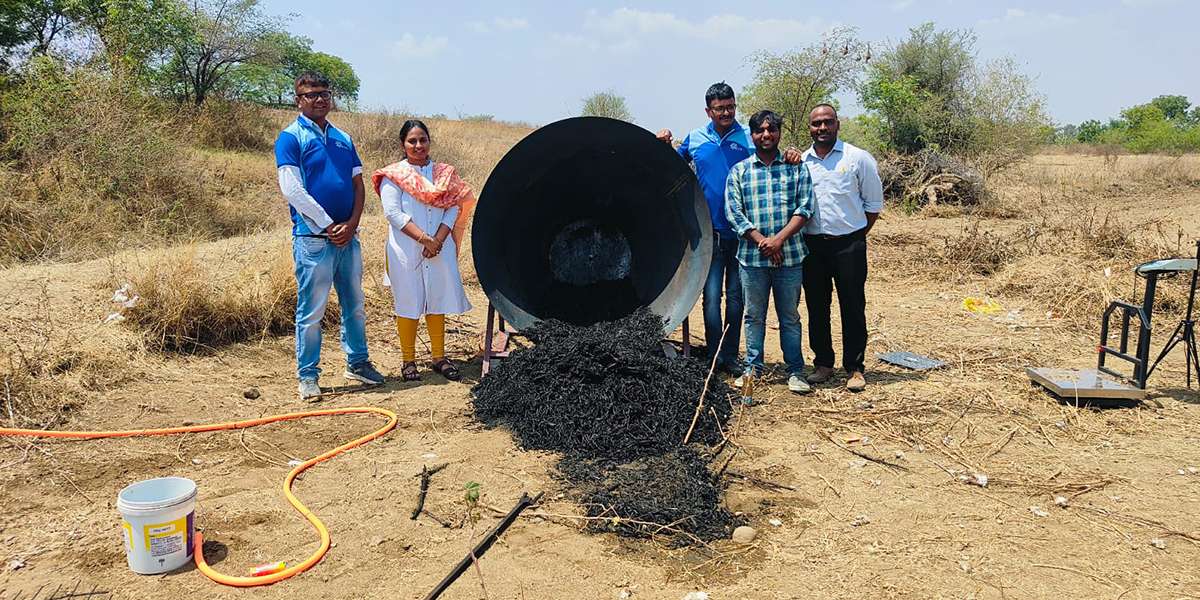
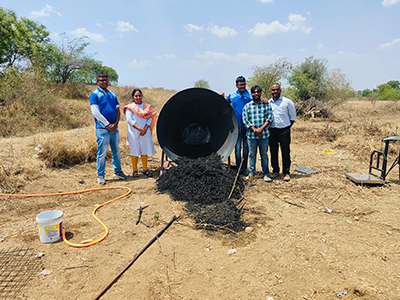
Core CarbonX (CCX) has undertaken a self-funded biochar project, partnering with local NGOs to benefit the farmers and their families in rural part of Telangana. The project targets to produce biochar from waste biomass (Cotton Straw) through pyrolysis, gasification, and biomass boilers which will be subsequently applied to an end-use (soil or non-soil applications). The project will consider using either low or high-technology production facilities to produce biochar. All the participants in the project will prepare appropriate and adequate evidence including all documentation and/or information to demonstrate compliance with all applicable environmental and legal regulations.

The project employs a comprehensive monitoring and accounting framework that captures the greenhouse gas (GHG) impacts at three crucial stages of the biochar value chain: sourcing, production, and application. Through this process, the carbon present in the waste biomass is converted into stable carbon in the biochar material, enabling long-term carbon storage.

Key Benefits

  1. Carbon Removal and Storage: The project directly contributes to removing and storing carbon dioxide from the atmosphere, mitigating the effects of climate change.
  2. Increased Farmer Income: By participating in the biochar production process and utilizing the biochar as a soil amendment, farmers can benefit from improved soil fertility, leading to higher crop yields and increased income.

3. Sustainable Development Goals: The project aligns with several United Nations Sustainable Development Goals, including Climate Action (Goal 13), Life on Land (Goal 15), and Responsible Consumption and Production (Goal 12).


Project summary

Types of Offsets Produced

  • Carbon removal.
Registry and Certifications

March 2024

Project start date

10 years

Project life

Sustainable Development goals from Co-benefits 


By embracing the power of biochar, CCX’s project exemplifies a innovative approach to climate change mitigation, fostering environmental sustainability, and empowering local farming communities. Join us in this transformative journey towards a greener, more resilient future.

Join now


The Conventional Problem and Missed Opportunity

The traditional disposal of livestock manure by emptying it into pits with water leads to methane formation and release – a potent greenhouse gas driving climate change. This harmful practice not only damages the environment but also squanders a valuable resource that could benefit local communities.

The Innovative Godhan Nyay Yojana Solution 

Launched on July 21, 2020, by the Chhattisgarh government, the Godhan Nyay Yojana presents an innovative solution to mitigate methane emissions from conventional animal waste management across the state’s districts. This multifaceted program aims to:

– Promote organic farming practices

– Generate rural and urban employment opportunities

– Encourage cow rearing and protection

– Provide financial incentives to cattle owners

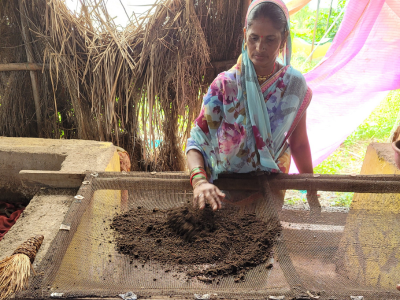
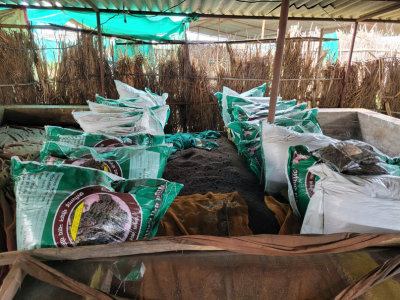
Under the scheme, the government procures cow dung from farmers and livestock raisers. This cow dung is then transformed into vermicompost and other organic products by women’s Self-Help Groups, creating a valuable organic manure alternative that discourages chemical fertilizer use and promotes sustainable agriculture.

CCX’s Pioneering Implementation

CCX, a leading climate advisory and project management company, is the pioneering partner implementing the ‘Gothan’ model statewide under the Godhan Nyay Yojana. Replacing the traditional ‘Ghurwa’ pit disposal method, CCX targets methane emissions from manure mismanagement near rural household farms.

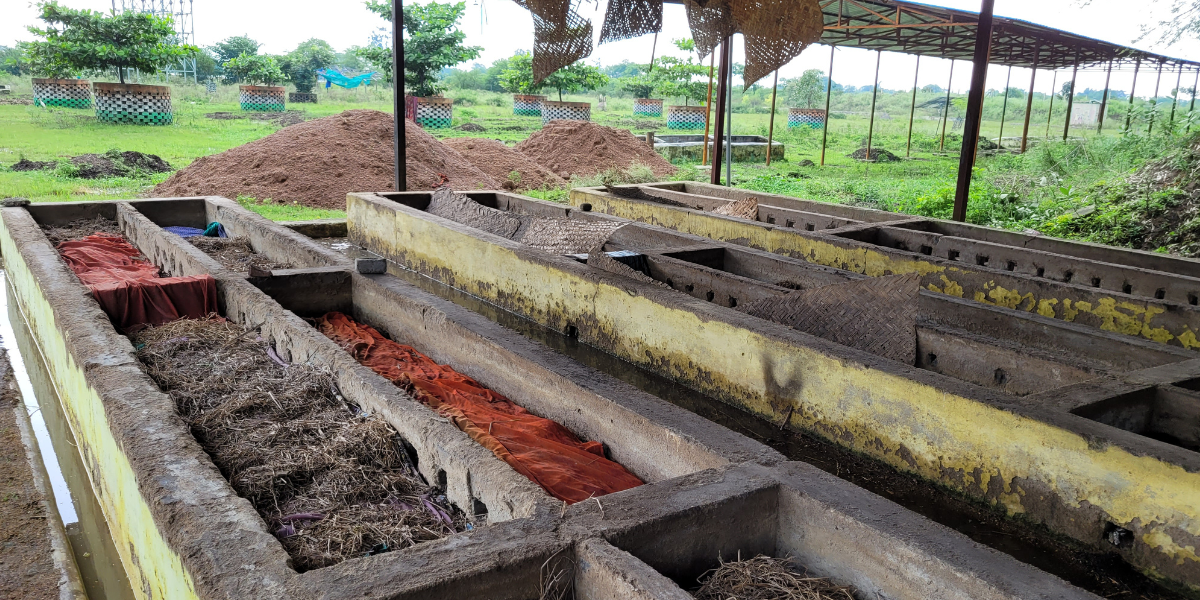
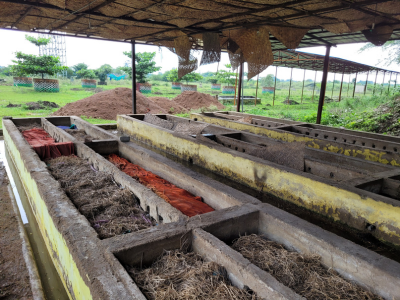
Through this groundbreaking project, CCX aims to reduce a staggering 10,000 tonnes of CO2 equivalent emissions by curbing methane from livestock waste. The company has already established over 3,000 Gothan – village-level cow dung processing units – while empowering 4,000 Self-Help Groups by engaging them in vermicomposting activities.

The Vermicomposting Solution at Gothan

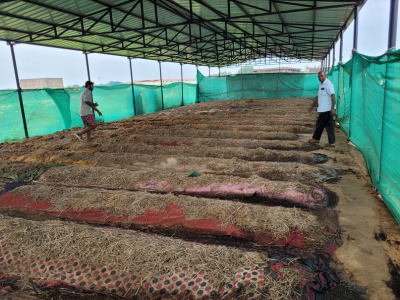
Gothan are strategically located village facilities where cow dung procured from farmers undergoes vermicomposting – an aerobic decomposition process utilizing earthworms and beneficial microbes. Operated by Self-Help Group members, this sustainable solution prevents methane emissions from the traditional ‘Ghurwa’ pit system.

Multiple Community Benefits:

  1. Methane reduction contributing to climate change mitigation
  2. Promotion of organic farming through vermicompost products
  3. Employment and economic empowerment of Self-Help Groups women
  4. Financial incentives for farmers and livestock raisers

Join the Transformative Movement

Be a part of this groundbreaking project implemented by CCX – an initiative addressing environmental concerns while uplifting local livelihoods and empowering communities across Chhattisgarh. Contact CCX today to explore collaboration opportunities.

Project summary

~10,000  

tCO2e per year reduction

> 3,000

Gothans are covered throughout Chhattisgarh by CCX


12 March 2022

Project start date


21 Years

Project life 


Types of Offsets Produced

  • 4000 SHGs being supported
  • Female Empowerment
Registry and Certifications

Sustainable Development goals from Co-benefits   


Project Photos(Nilja Gothan, Dharshiva, Raipur, Chhattisgarh):


Agriculture and deforestation are major contributors to climate change. However, agroforestry mitigates this by integrating trees into farms to sequester carbon while reducing emissions. Core Carbon Vanam is CCX’s pioneering ARR VCS (Afforestation, Reforestation, and Revegetation Verified Carbon Standard) agroforestry project that enables farmers to meaningfully combat climate change through avoiding deforestation, sequestering carbon and reducing on-farm emissions. Crucially, agroforestry also promotes sustainable rural livelihoods. By delivering environmental stability alongside productivity, agriculture can be part of the climate solution.

Sustainable Land Utilization, GHG Reduction and Rural Development

Our goal with this planned ARR VCS project is to empower small-scale farmers and foster sustainable agroforestry practices, creating a win-win scenario by enhancing financial prospects and facilitating GHG reduction. This initiative spans across the states of Telangana, Andhra Pradesh, Odisha, and Jharkhand, aiming to leave a lasting positive impact on the environment and local communities.

Project highlights include, but are not limited to, educating farmers and offering technical assistance with agroforestry practices;

  • Diverse Tree Plantation for Specific Regions: We mobilize farmers to plant a wide variety of tree species, ranging from fruit-bearing trees like Indian blackberry, Guava, and Mango to valuable timber species like Teak, Mahogany, and Sandalwood.
  • Simple Cultivation and Maintenance Techniques: Our selected small scale farmers employ simple yet effective tree cultivation techniques that involve planting saplings in pits with minimal land disturbance, ensuring successful growth and carbon sequestration.
  • Carbon Credit Solutions Guidance: We work with individual farmers in most of the districts in the above states and give them expert advice on how to use carbon credits as incentives. Farmers who grow trees on their lands to sequester carbon are eligible to earn carbon credits.

Agroforestry Benefits for Farmers, Environment and Investors

By integrating trees into farming landscapes, agroforestry unlocks a myriad of benefits for Farmers and the Environment:

  • Enhances land productivity through crop diversification and improved yields
  • Conserves biodiversity by enriching ecosystems
  • Improves soil health, water retention and nutrient cycling
  • Builds climate resilience through carbon sequestration, shade and windbreaks
  • Diversifies income with carbon credits, timber, fruits, nuts and medicinal products
  • Contributes to five sustainable development goals

Engaging the Community

We warmly welcome farmers, investors, and local communities to actively engage with our ARR VCS agroforestry project. Your participation advances a sustainable future, amplifies rural development, and supports carbon removal initiatives.

Project summary

0.25  

Million Tonnes of CO2 reduction per annum (Estimate)

31,429

Hectares of farm land supported


2018

Project start date


20 Years

Project life 


Types of Offsets Produced

  • Agriculture Forestry and Other Land Use
  • Afforestation, Reforestation and Revegetation Credits
Registry and Certifications

Sustainable Development goals from Co-benefits   


Join the movement. Together, let’s cultivate a greener future through agroforestry and efficient land use practices!

Join now

ODISHA

TELENGANA

JHARKHAND

ANDHRA PRADESH

On October 6, 2023, Honourable Minister of Mines, GoTS, Shri Patnam Mahender Reddy, and Tandur MLA, Shri Rohit Reddy inaugurated Tandur Limestone Processing Industrial Park, Gingurthy, Tandur, Telangana. CoreCarbonX has developed the site master plan for the Tandur Industrial Park, which is around 260 Acres covering thematic layers like roads, water, stormwater, waste and wastewater management, electricity, one-stop solutions for TSIIC and relevant departments, commercial areas, parking, etc. This industrial park is an example of the relocation of industries from Tandur City to a more organized Industrial Park addressing climate resilience and environmentally friendly concepts. The work has been given to CCX by the Telangana State Industrial Infrastructure Corporation (TSIIC).

These initiatives aim to drive overall sustainable development by optimizing existing resources and promoting their efficient management and utilization. Prioritizing a spectrum of pivotal efforts is imperative to elevate sustainability in urban and industrial contexts.

Join now